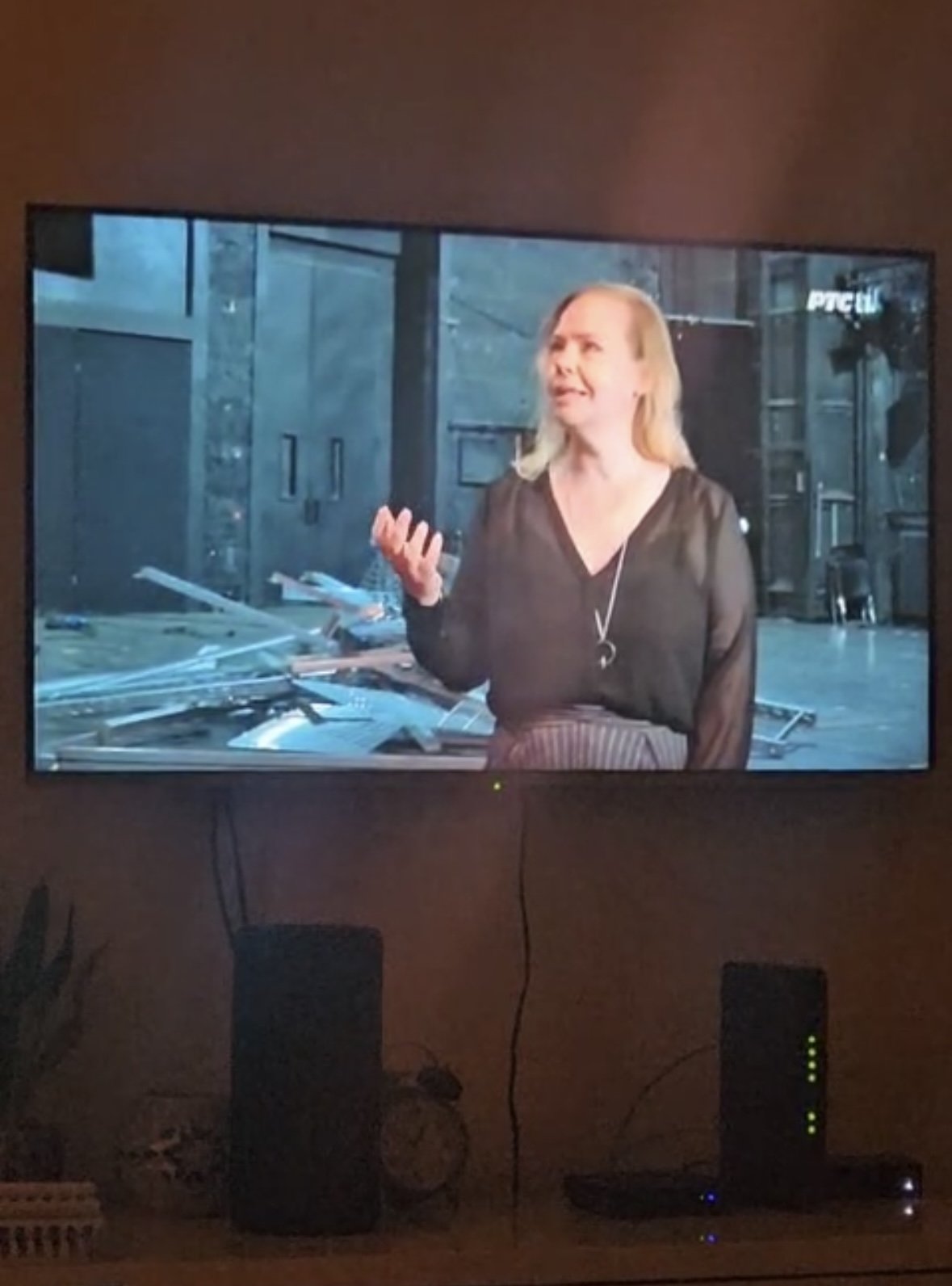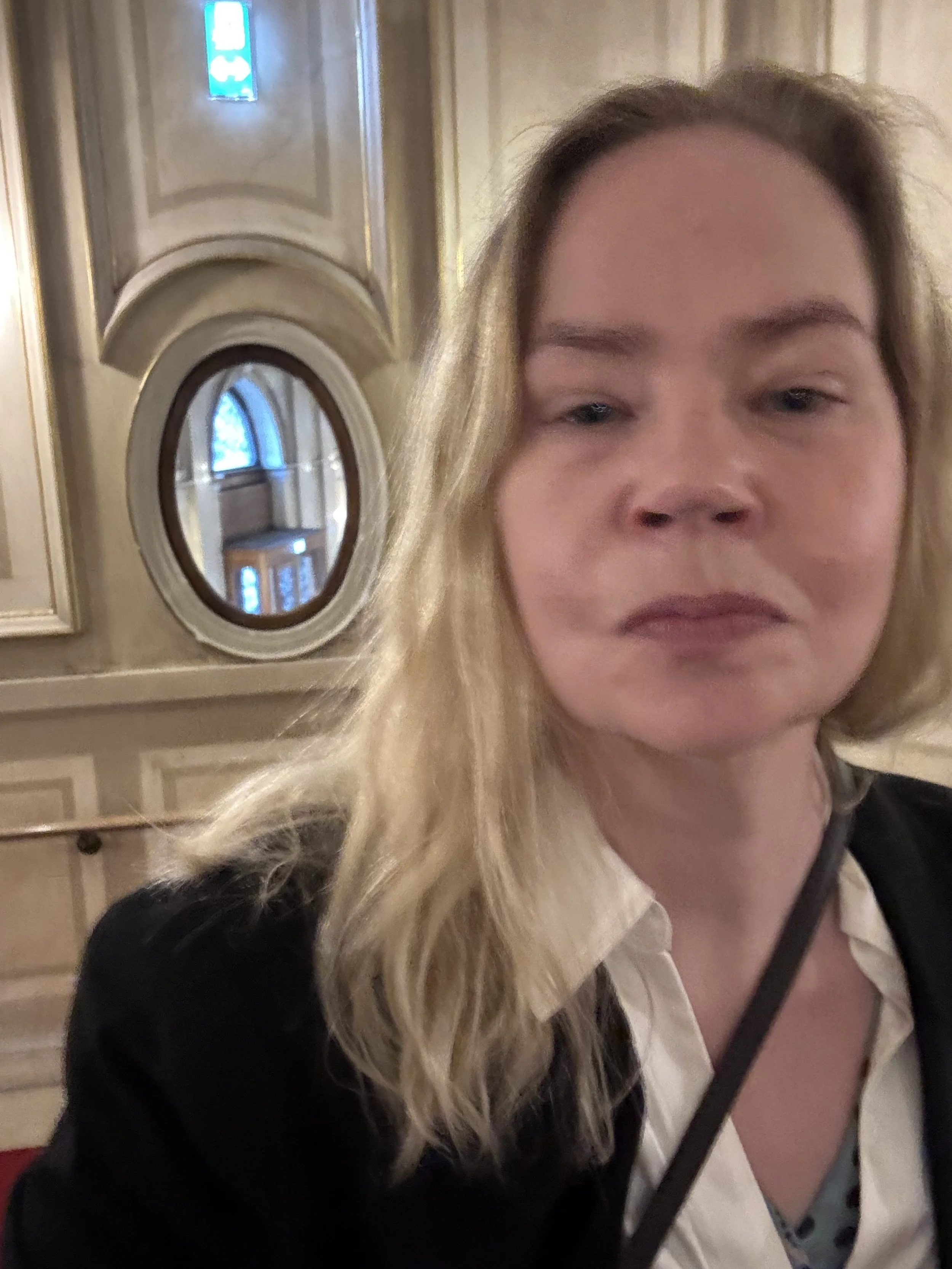
FREJA HALLBERG
artist, playwright & director
Working with performance,
structure and presence.
Not a voice, but a choir. Not an explanation. An experience.
Not a voice, but a choir. Not an explanation. An experience.
SELECTED WORKS
-
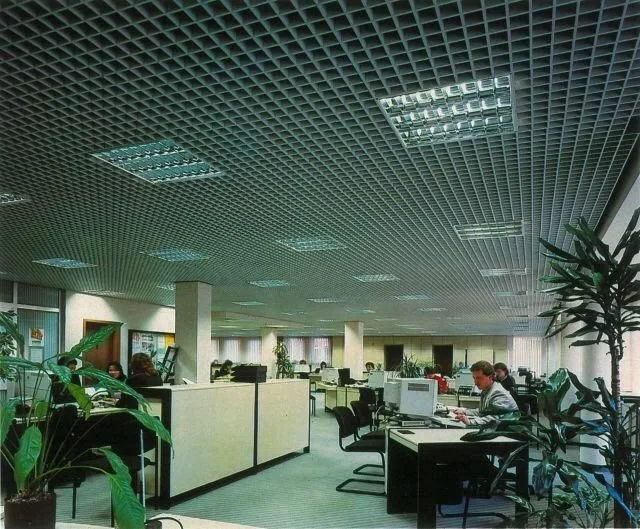
![Office space with employees working at desks, large plants, and a grid pattern ceiling in a vintage, open-plan office.]()
RATHAUS
A performance in two acts: workplace comedy, bureaucratic horror and live music. Aesthetic collapse meets systemic control – as the piece shifts from clean surface to emotional and physical overload.
In development. Premiering in Stockholm May 2026. Multilingual. Open for international touring from 2027. -
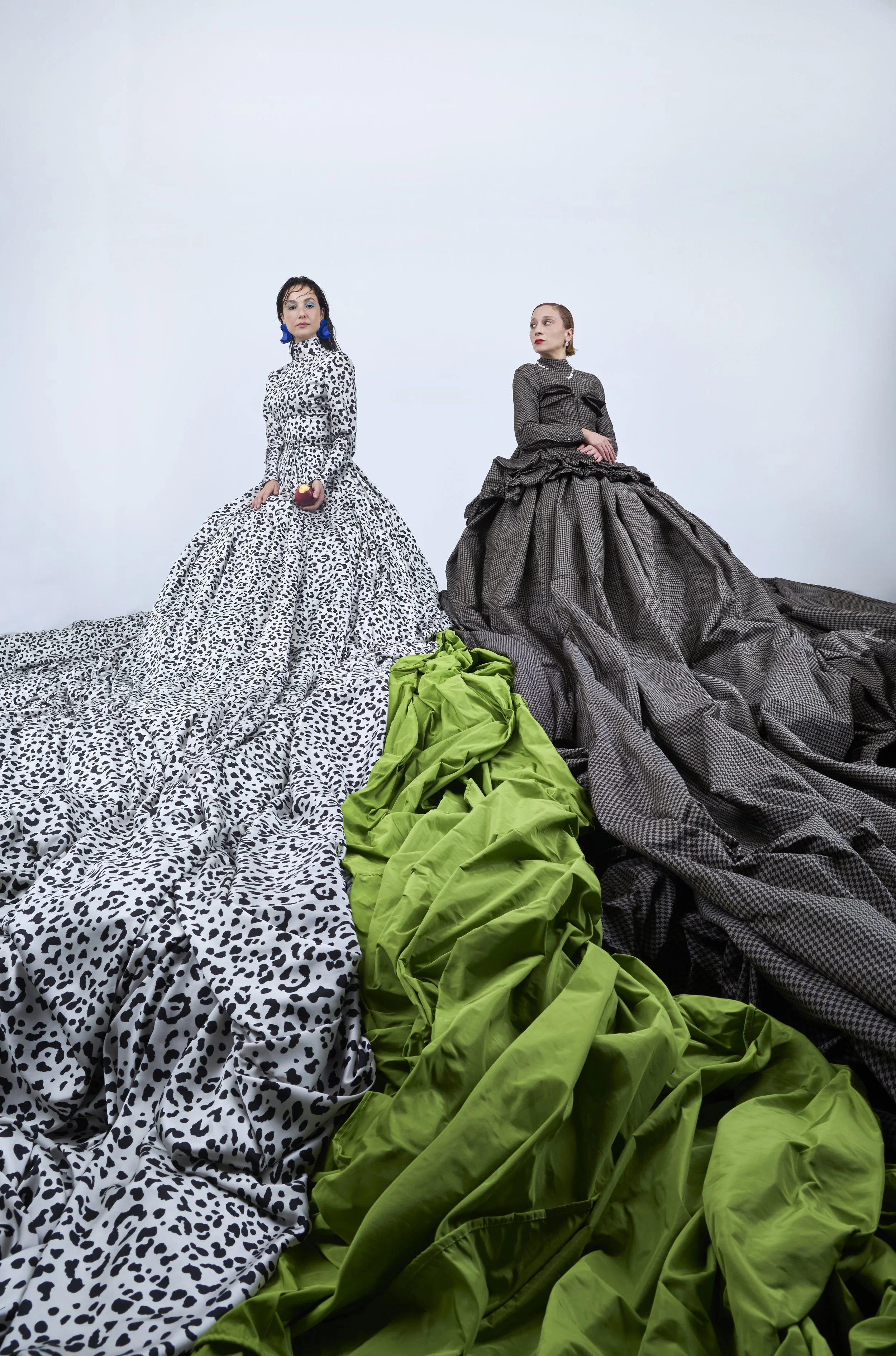
![Two women in very large dresses.]()
ART & MONEY
An impossible love story between art and capital – a performance about loneliness, dependence, and the quiet cruelty of needing what you cannot live with.
Premiering in Belgrade, 27 November 2025. Available for touring 2025-2026.
-
![A woman with blonde hair, wearing a brown baseball cap and a black sweater, has teary eyes and a tired expression.]()
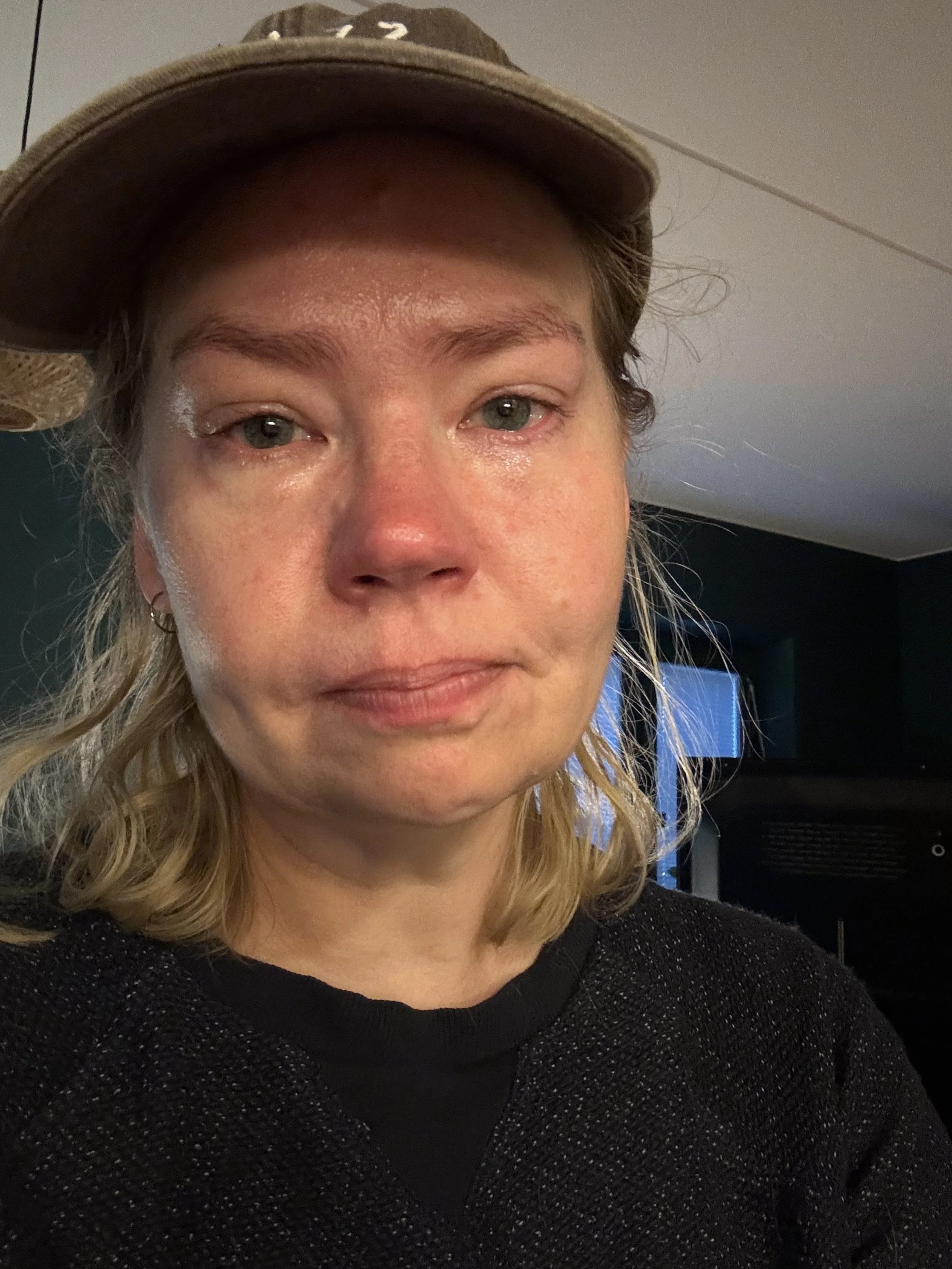
FORGIVENESS
Fifty people. Fifty apologies. One by one, they step forward and speak – to you. A large-scale performance about guilt, responsibility, and what it means to be addressed.
In development. Open for large-scale international co-production. -
![A woman walking down a narrow cobblestone street between old brick and stucco buildings with bicycles parked on the side.]()
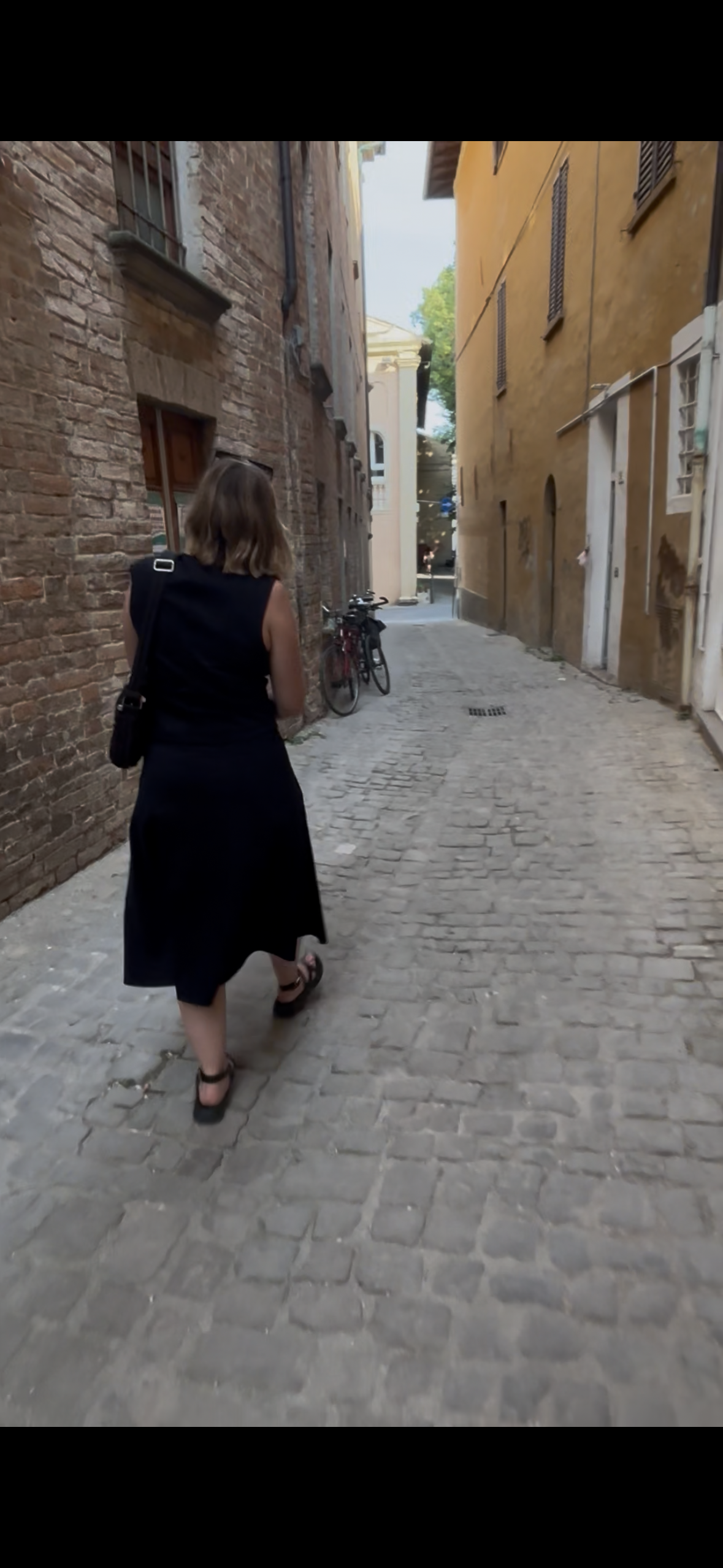
GUIDED TOUR OF THE UNTRUE HISTORY
A site-specific walking performance about a forgotten and entirely fabricated past.
A guided tour through the invisible architecture of invented history.
In developing. Premiering in Pesaro, Italy, 2026. Touring to Novi Sad, Serbia. Available for touring from 2027. -
![Two ostriches walking near a pond, with a rocky landscape and a herd of animals, including some goats, in the background.]()
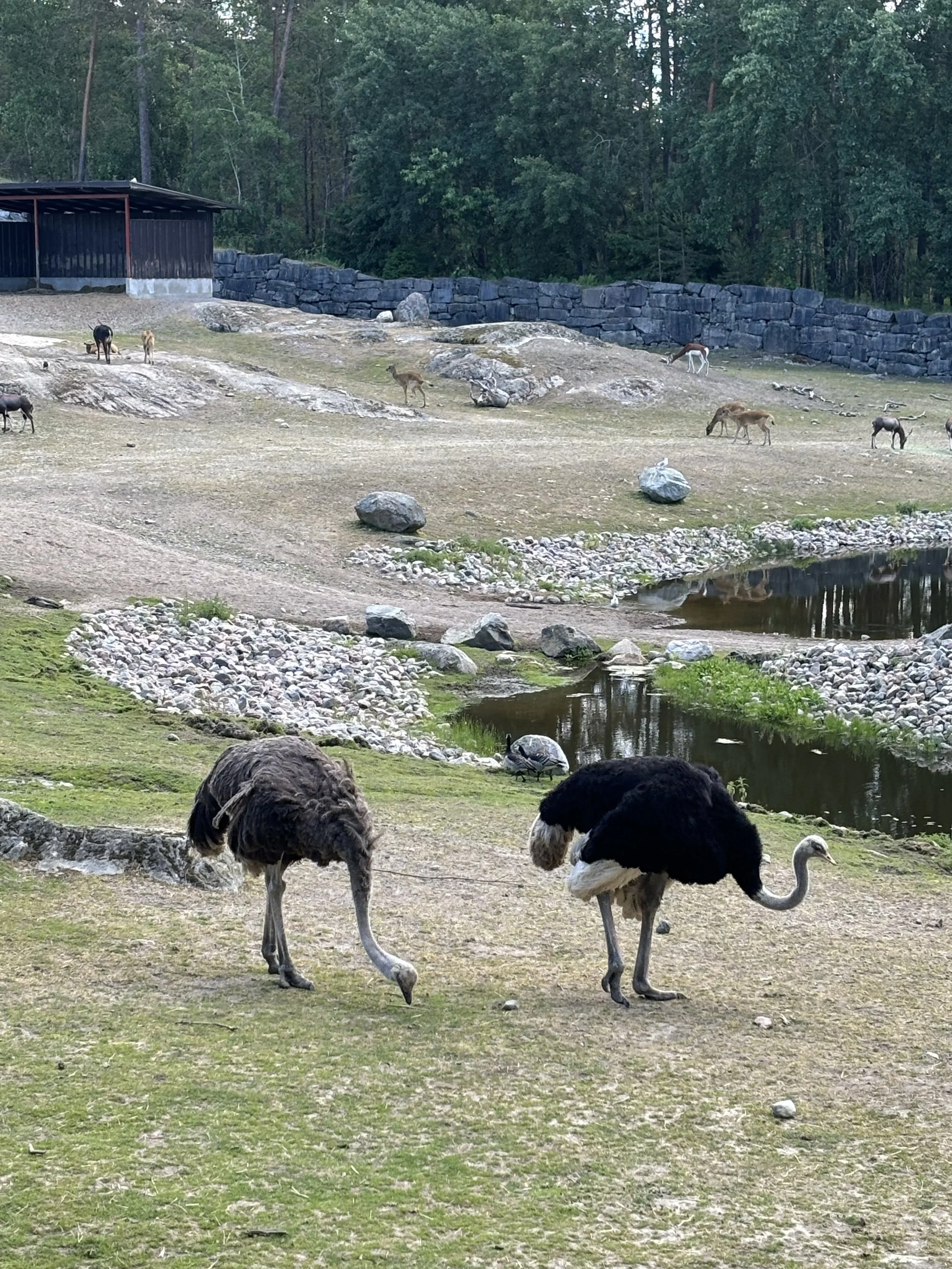
TO BE ANNOUNCED
A darkly poetic and physical performance about transformation, community, and the long stretch of time. Rooted in realism but shifting toward the surreal, the play follows a group of people as they grow increasingly estranged from the outside world – and from their former selves.
In development. Premiering October 2026. Full script available on request.
-
![Four people in formal attire gathered around a table with cooking ingredients and utensils, engaged in a cooking activity on stage.]()
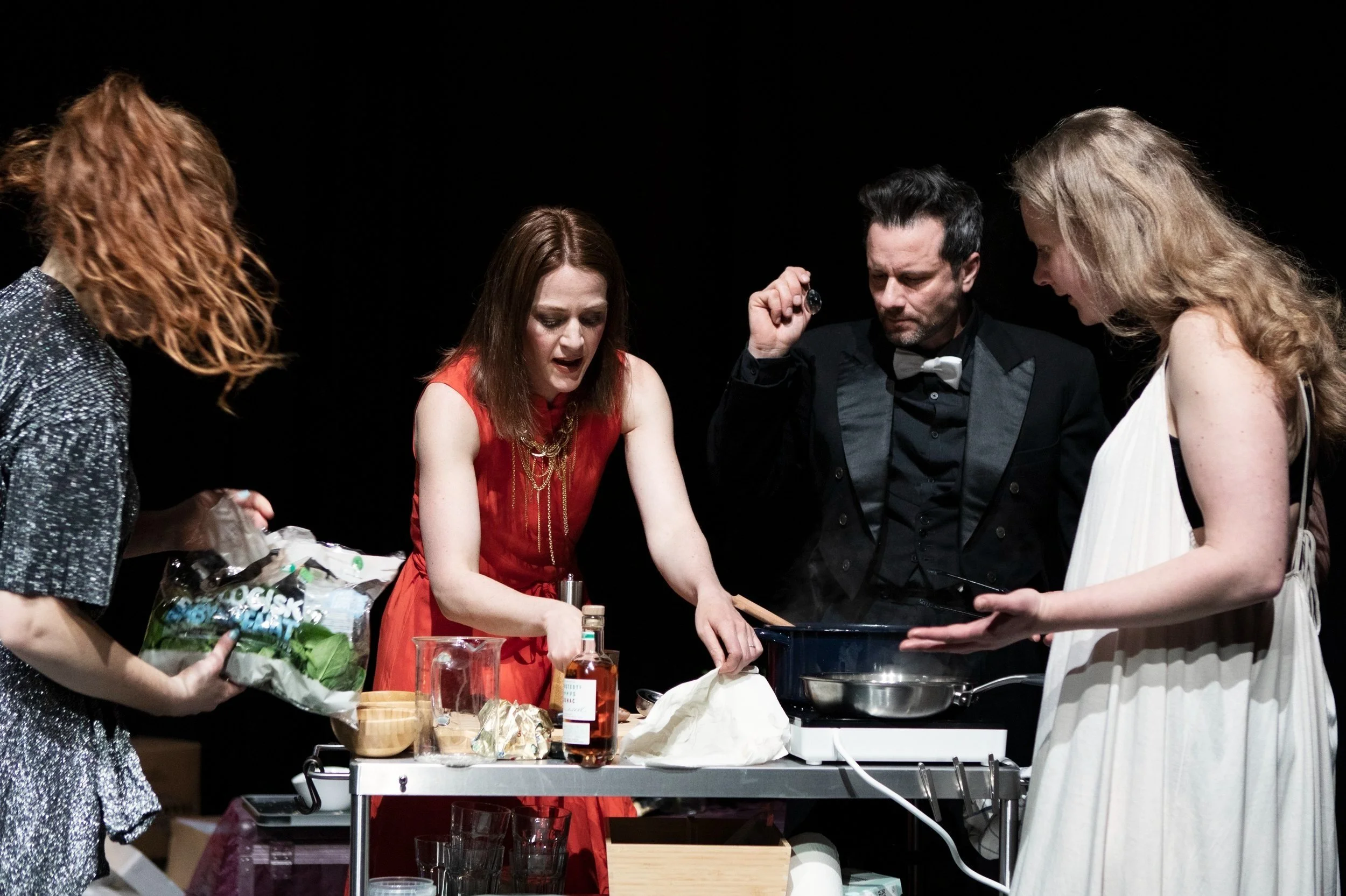
FIGHT
A four-hour performance about conflict, intensity and human closeness – a relentless, absurd and musical quarrel with no resolution.
International premiere, Belgrade, 25 June 2025. Available for touring 2026.
-
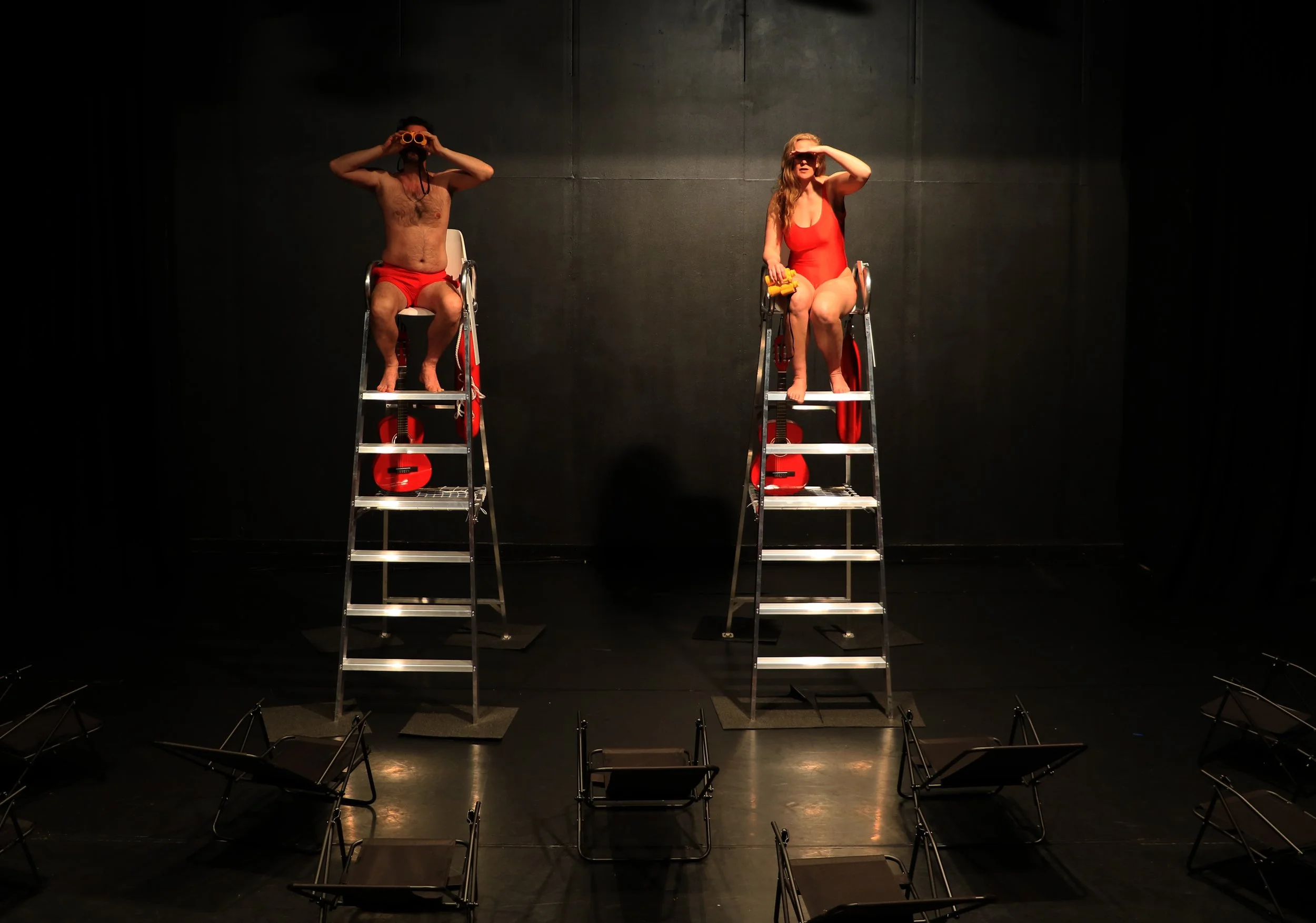
![Two performers sit on high chairs on a stage, wearing goggles and swimwear, with empty chairs scattered around the stage.]()
BAYWATCH
A philosophical and playful performance about conversation as survival – slow, sincere and slightly absurd.
Available for touring.
2026
JANUARY
Baywatch — Stockholm
23, 24, 26, 29, 39 JanArt and Money — Belgrade
22 JanFEBRUARY
Baywatch — Stockholm
20 FebArt and Money — Stockholm
21, 23, 24, 25 FebMAY
Rathaus — Stockholm
16, 17, 22, 23, 25, 26, 28, 29 May 2026OCTOBER
TBA — Stockholm
22 Oct 2026
“The most refreshing thing I’ve seen in a long time.”
Sydsvenskan
Working with me
Stage one of my existing plays
with or without my involvement
Commission a new work
Invite me to your festival
for a talk, panel, keynote or jury duty
Invite me to write
a provocation, programme text or artistic reflection
I work internationally as a playwright
and director.
My projects vary in format and scale, and are often developed in dialogue with institutions and independent contexts.
Practical info
→ Co-productions or booking finished productions: Contact SWEETS
→ Curatorial work or programming collaborations: Contact Konträr
→ Commissions, talks or new collaborations: Contact me directly
“Inexplicably captivating.” Göteborgs-Posten
Process. Space. Time. Collaboration. Form.
What happens when a work takes shape?
I don’t work linearly.
I don’t start small and build brick by brick.
I do many projects at once – and many parts of the process at once.
I accept the ideas that emerge and try to wait.
Time will reveal where they belong.
Often, the work brews quietly until something clicks.
Then I know what to do.
Many times, the room comes first.
Before the words. Before the order. Before the aim.
Everything is connected.
I prefer to decide things myself.
But I don’t work alone.
How I work
I don’t write plays to explain something.
I write to create a situation – for the audience, for the performers, for the room.
Something has to shift. Something has to stick.
I rarely work with main characters.
I’m more interested in relationships than individuals.
In what’s between people. Or under. Or unsaid.
I use structure like some use plot –
not to move forward, but to hold something in tension.
Time matters. Repetition matters. Absence matters.
Music helps.
I write fast, when it’s ready.
I don’t wait for the perfect idea.
I write to find out what it is.
What stays is often what surprises me.
Sometimes I don’t write at all.
Sometimes the writing comes after –
after rehearsals, after the bodies,
after the rhythm reveals itself.
The text is not the start.
It’s one part of a living structure.
I think about ethics in form.
About how a piece behaves. What it allows. What it demands.
I want the work to mean something – not just in content, but in how it happens.
I believe in confusion, in transformation,
and in staying with what’s hard to name.
I don’t write alone.
But the voice is mine.
How I write
Scenic thinking. Rhythm. Group. Presence.
How something becomes real – in a space, with people.
We create a world together.
I often begin by imagining the space – to understand what kind of world we’re in.
I direct through rhythm, energy and shifts in attention.
I care about the group. The feeling in the room.
The tension between fiction and presence.
I trust the performers – but I ask them to be honest.
I don’t want them to pretend we’re somewhere else.
We explore how breath, gaze, proximity and audience affect everything.
I observe, guide, and wait for the work to reveal itself.
Until then, we rehearse practical things:
singing in harmony, walking in rhythm, learning words, climbing the set.
Sometimes I don’t work like this at all.
But whatever the process –
it doesn’t tell a story.
It unleashes one.
How I direct
Formens etik
I care about what things do – not just what they say.
A piece can speak about freedom while enacting pressure.
It can talk about care while
exhausting everyone in the room.
It can look experimental
and still demand obedience.
I think about how a work behaves.
What it allows. What it demands.
How it treats the people inside it – on stage and
in the audience.
I want to create forms that hold uncertainty
without punishing the ones who carry it.
I don’t want to protect the audience from difficulty.
But I don’t want to use them either.
If the work holds tension, the form has to hold us.
I trust the audience.
Not to “understand” –
but to feel what’s there.
Contact Me
Want to work together, invite me, or just say something?
→ freja.hallberg@gmail.com
→ For booking of productions: moa@kontrar.se
→ For programming and curatorial invitations: freja@kontrar.se